1. Fes el-Bali medina (UNESCO, free) · 2. Al Quaraouiyine — oldest university, 859 AD (courtyard only for non-Muslims) · 3. Bou Inania Madrasa (~20 MAD, open to all) · 4. Chouara Tanneries (free, tip ~10 MAD) · 5. Moroccan cuisine — Dar Hatim, Café Clock, Riad Rcif · 6. Royal Palace gates (free exterior) · 7. Jnan Sbil Gardens (free) · 8. Al Attarine Madrasa (~20 MAD) · 9. Jewish Cemetery & Mellah · 10. Dar Batha Museum (~20 MAD). Getting there: 3-day desert tour from Marrakech (from €169) — Sahara + Fes in one trip.
Attractions at a Glance
| # | Attraction | Entrance | Non-Muslim? | Time |
|---|---|---|---|---|
| 1 | Fes el-Bali (Medina) | Free | Yes | 2–4h |
| 2 | Al Quaraouiyine | Free | Courtyard only | 30 min |
| 3 | Bou Inania Madrasa | ~20 MAD | Yes | 30 min |
| 4 | Chouara Tanneries | Free (tip ~10 MAD) | Yes | 30 min |
| 5 | Moroccan Cuisine | Meal: 60–200 MAD | Yes | 1–2h |
| 6 | Royal Palace Gates | Free (exterior) | Exterior only | 15 min |
| 7 | Jnan Sbil Gardens | Free | Yes | 30–60 min |
| 8 | Al Attarine Madrasa | ~20 MAD | Yes | 20 min |
| 9 | Jewish Cemetery & Mellah | Free | Yes | 30 min |
| 10 | Dar Batha Museum | ~20 MAD | Yes | 45 min |
1. Fes el-Bali — The UNESCO Medina

Entrance: free · Non-Muslims: yes · Time: 2–4 hours
Fes el-Bali is the oldest part of the city and a UNESCO World Heritage site. It’s the world’s largest car-free urban area — so densely packed that vehicles can’t enter, and goods are still transported by donkey. Walking through feels like being transported to the Middle Ages: high walls casting shadows over narrow paths, the call to prayer echoing from nearby mosques, craftsmen working in tiny shops, and the occasional glimpse of a hidden courtyard.
Navigation: The medina is a genuine maze — embrace getting lost, it’s part of the charm. Many visitors hire a local guide for the first visit (recommended), especially to find hidden courtyards, artisan workshops, and key sites buried within the labyrinth. Offline Google Maps works surprisingly well for finding your way back. Enter through Bab Bou Jeloud (the Blue Gate) — the most photogenic starting point.
Suggested Walking Route
Bab Bou Jeloud (Blue Gate entrance) → Bou Inania Madrasa (5 min walk, first stop) → Al Quaraouiyine area (15 min, follow signs) → Al Attarine Madrasa (2 min, adjacent) → Chouara Tanneries (10 min, follow the leather shop signs uphill) → lunch at Dar Hatim or Café Clock → Mellah & Jewish Cemetery (15 min walk south) → Royal Palace gates (5 min) → Jnan Sbil Gardens (adjacent, rest stop). This circuit takes 4–5 hours at a comfortable pace with stops.
2. University of Al Quaraouiyine — Oldest in the World

Entrance: free · Non-Muslims: courtyard only · Time: 30 minutes
In the heart of Fes lies the University of Al Quaraouiyine, recognised by UNESCO and Guinness as the oldest continuously operating educational institution in the world. Founded in 859 AD by Fatima al-Fihri — a woman visionary — it played a critical role during the Islamic Golden Age, shaping science, philosophy, and theology across the medieval world.
Non-Muslims cannot enter the mosque itself, but you can admire the grand courtyard through the doorway: intricate zellij (mosaic tilework), carved cedar wood, and arabesque designs. The peaceful atmosphere around the university is a welcome contrast to the medina’s energy. The recently restored Al Quaraouiyine Library — one of the oldest in the world — occasionally opens sections to visitors.
3. Bou Inania Madrasa — Open to All

Entrance: ~20 MAD · Non-Muslims: yes · Time: 30 minutes · Hours: roughly 9:00–17:00 (closed during Friday midday prayer)
Built in the 14th century by Marinid Sultan Bou Inan, this is considered a masterpiece of Moroccan architecture. The intricate wood carvings, geometric tile patterns, and finely detailed stucco plasterwork are breathtaking. Unlike most religious buildings in Morocco, Bou Inania is fully open to non-Muslims — giving you the rare opportunity to explore a grand courtyard, classrooms, and one of Fes’s few surviving minarets.
4. Chouara Tanneries & Pottery Workshops

Entrance: free (tip ~10 MAD for terrace) · Non-Muslims: yes · Time: 30 minutes
The Chouara Tanneries are one of the oldest leather tanneries in the world. From a nearby terrace, you’ll see workers standing knee-deep in vats of dye, preparing leather hides using methods unchanged for centuries. The circular stone vats filled with vibrant colours are both fascinating and humbling — a living connection to Fes’s centuries-old craft economy.

Fes is equally famous for its blue-and-white pottery. Visiting a ceramic workshop lets you watch artisans shape and paint intricate designs by hand — some offer visitors the chance to try. The craftsmanship here is among the finest in Morocco.
5. Moroccan Cuisine — Fes Is the Food Capital

Fes is widely regarded as Morocco’s culinary capital. The cuisine is rich, aromatic, and deeply rooted in tradition. Must-try dishes: B’stilla (Pastilla) — a savoury-sweet pie of thin pastry, pigeon or chicken, almonds, cinnamon, and sugar (the signature Fassi dish). Harira — a hearty tomato-lentil-chickpea soup traditionally served to break the Ramadan fast. Tagine — slow-cooked stew with meat, vegetables, and spices in a conical clay pot.
Best Restaurants in Fes
| Restaurant | Style | Price Range | Known For |
|---|---|---|---|
| Dar Hatim | Family-run, traditional home | 80–150 MAD | Authentic Fassi home cooking |
| Café Clock | Fusion, cultural café | 60–120 MAD | Camel burgers, live music, rooftop |
| Riad Rcif | Intimate riad restaurant | 100–200 MAD | Traditional dishes, elegant setting |
Street food: Fresh M’smen (layered flatbread), Makouda (fried potato cakes), sweet mint tea, and snail soup for the adventurous. Fes uses saffron, cumin, and cinnamon generously — flavours are bolder than in Marrakech.
6. Royal Palace Gates (Dar el-Makhzen)

Entrance: free (exterior only) · Time: 15 minutes
The Royal Palace (Dar el-Makhzen) isn’t open to the public, but its golden gates are a sight to behold — intricately designed brass and cedar doors adorned with geometric tilework. The surrounding gardens are lush and peaceful. It’s a quick photo stop, usually combined with a visit to the nearby Mellah (Jewish quarter).
7. Jnan Sbil Gardens

Entrance: free · Time: 30–60 minutes
Nestled between the medina and the Ville Nouvelle, Jnan Sbil is one of Fes’s oldest and most beautiful public gardens. Established in the 18th century by Sultan Moulay Abdellah, it features winding pathways shaded by towering palms and eucalyptus, ornamental lakes, fountains, and a curated collection of exotic plants. A welcome escape when the medina’s energy becomes overwhelming.
8. Al Attarine Madrasa

Entrance: ~20 MAD · Non-Muslims: yes · Time: 20 minutes · Hours: roughly 9:00–17:00 (closed during Friday midday prayer)
Located near Al Quaraouiyine, the Al Attarine Madrasa was commissioned by Marinid Sultan Abu Said in the 14th century. It’s smaller and more intimate than Bou Inania, but the craftsmanship is equally stunning: cedar woodwork, zellij tile mosaics, and stucco carvings adorn every surface. The central courtyard with its marble fountain and ornate arches is one of the finest examples of Islamic architecture in Morocco. Its intimate scale makes it a photographer’s favourite.
9. Jewish Cemetery & The Mellah

Entrance: free · Time: 30 minutes
The Mellah (Jewish quarter) of Fes was one of the first in Morocco, established in the 15th century. Today it’s a fascinating neighbourhood with distinctive architecture — balconied houses, narrow lanes, and a very different atmosphere from the rest of the medina. The Jewish Cemetery, one of the largest in Morocco, features hundreds of whitewashed tombs and offers panoramic views over the city. Morocco’s Jewish heritage is rich and Fes was home to a thriving community for centuries. See also: Casablanca’s Jewish heritage.
10. Dar Batha Museum
Entrance: ~20 MAD · Non-Muslims: yes · Time: 45 minutes
Dar Batha is a 19th-century palace converted into a museum of Moroccan arts and crafts. The collection includes Fes’s famous blue-and-white ceramics, Berber carpets, carved wood, embroidery, and Andalusian-style garden courtyards. It’s a peaceful, well-curated stop that contextualises the craftsmanship you see in the medina’s workshops. The garden alone is worth the visit — it’s one of the quietest spots in the city.
How to Reach Fes from Marrakech
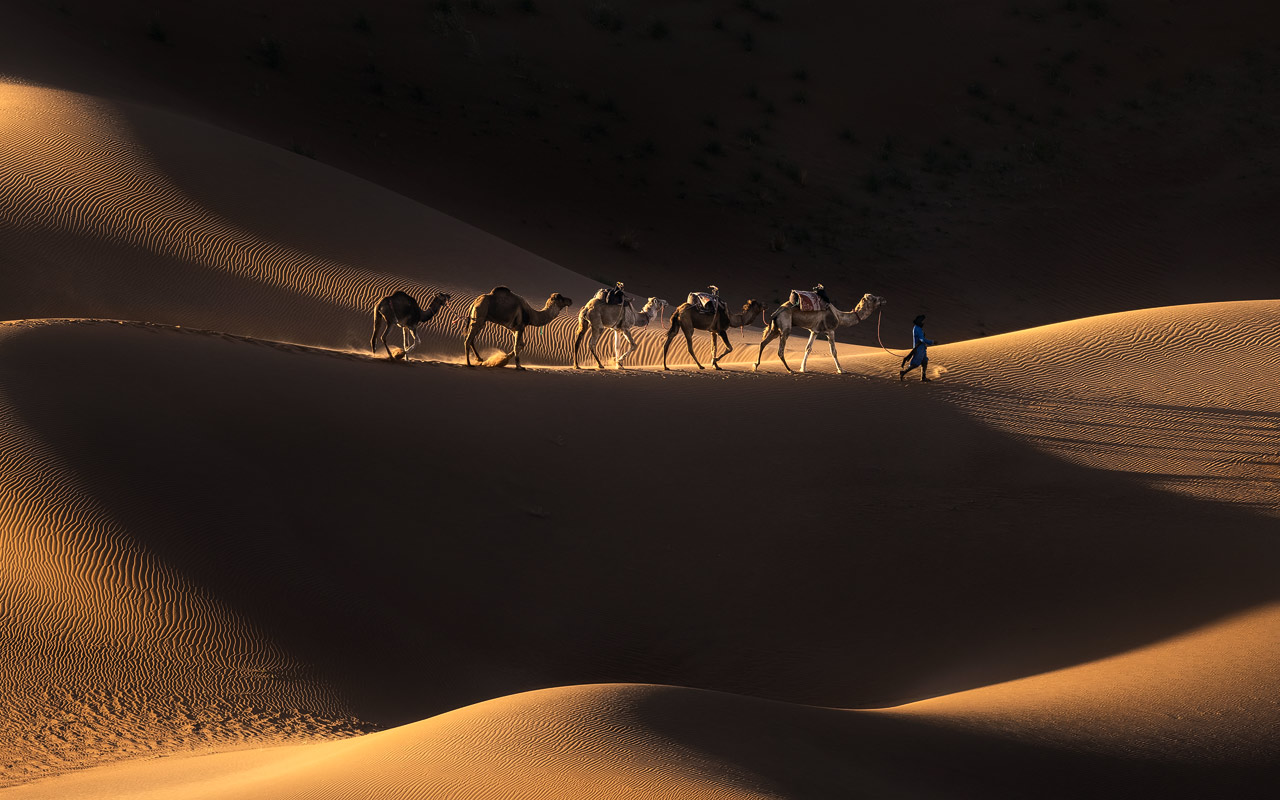
The most popular — and most memorable — way to reach Fes from Marrakech is via a 3-day desert tour through the Sahara. You cross the High Atlas, visit Aït Ben Haddou, sleep in a desert camp in Merzouga, and arrive in Fes on Day 3. Two cities + the Sahara in one trip.
| Method | Duration | Price | Best For |
|---|---|---|---|
| Shared desert tour | 3 days | From €169 | Budget + Sahara + Fes in one |
| Private desert tour | 3 days | From €195 | Flexibility + comfort + Sahara |
| Train (ONCF) | ~7h (via Casablanca) | ~250 MAD | Direct, comfortable, scenic |
| Bus (CTM) | ~8h | ~200 MAD | Budget option |
| Flight | ~1h | €40–100+ | Speed (Royal Air Maroc, budget) |
From Fes back to Marrakech: The reverse works too — our Fes-to-Marrakech desert tour (from €195) follows the same spectacular route in the opposite direction.
Best Time to Visit Fes
Spring — Mar to May
20–28°C. Comfortable for walking the medina all day. Jacaranda blossoms in Jnan Sbil.
Autumn — Sep to Nov
22–30°C. Post-summer, fewer crowds. Olive harvest. Golden afternoon light.
Summer — Jun to Aug
35–42°C. Explore early morning and evening. Medina alleys provide shade.
Winter — Dec to Feb
12–18°C days. Mild, quiet, atmospheric. Pack warm layers for evenings.
Top 3: Fes el-Bali medina (free), Al Quaraouiyine (859 AD), Chouara Tanneries.
Fees: Most attractions free or ~20 MAD. Guide: 300–500 MAD/half day.
Eat: Dar Hatim (traditional), Café Clock (camel burgers), Riad Rcif (riad dining).
Get there: 3-day Marrakech-to-Fes desert tour (from €169) — Sahara + Fes.
Days needed: 2 ideal, 1 full day with a guide works.