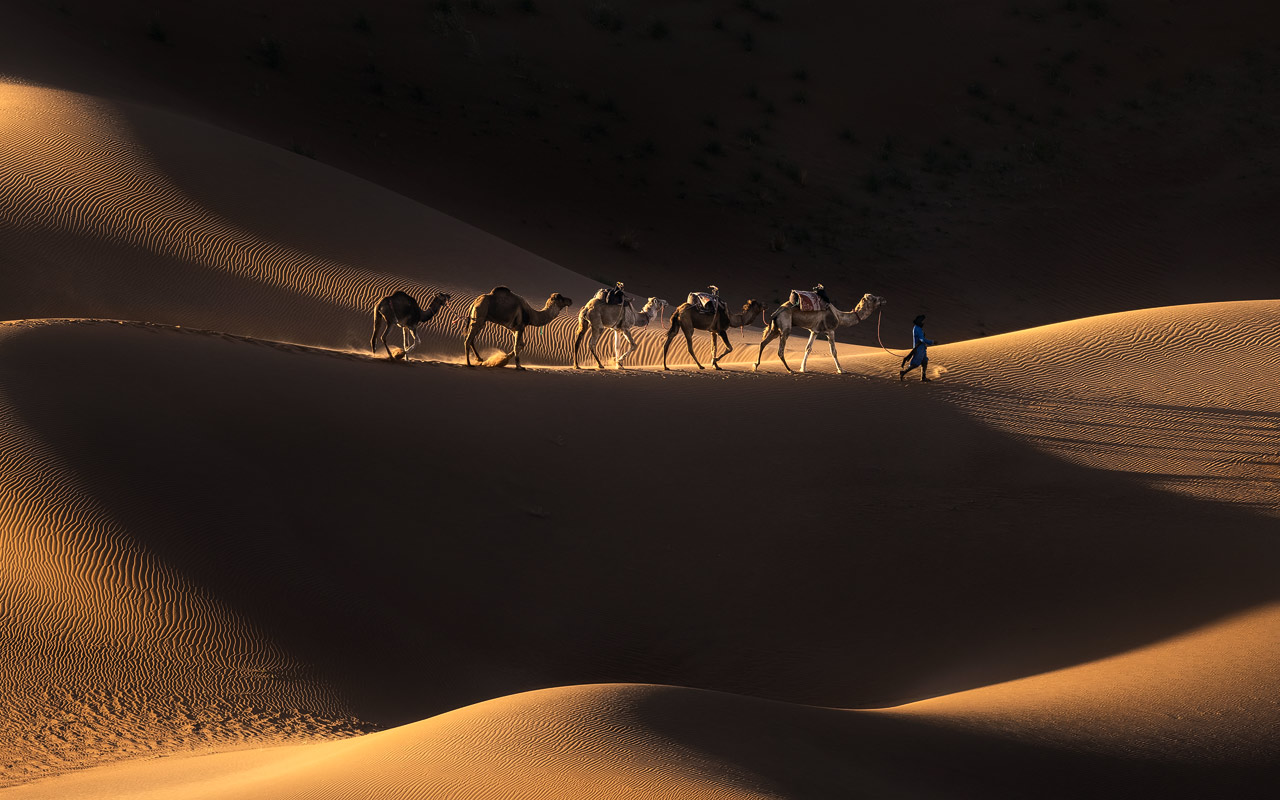
Ourika Valley is 1 hour south of Marrakech in the Atlas Mountains foothills — the easiest and most popular mountain day trip from the city. Top draws: Setti Fatma waterfalls (7 cascades, first two reachable in a 45-minute hike), Monday Berber souk (weekly market with crafts, spices, livestock), argan oil cooperatives (women's co-ops, tasting + buying), and Berber village visits (mint tea, traditional home). MDT day trip: from €25/person with riad pick-up. Best seasons: spring (Mar–May) for green valleys and peak waterfalls, autumn (Sep–Nov) for mild weather.
Key Facts
| Fact | Detail |
|---|---|
| Distance from Marrakech | ~30 km / 1 hour by road |
| Altitude | 600–1,500 m (valley floor to Setti Fatma) |
| Top attraction | Setti Fatma waterfalls — 7 cascades |
| Monday souk | Weekly Berber market at Tnine Ourika |
| Argan cooperative | Women’s co-ops along the valley road |
| MDT day trip | From €25/person — riad pick-up, full day |
| Best season | Spring (Mar–May) and autumn (Sep–Nov) |
| Highlights | Waterfalls, Berber villages, argan oil, riverside lunch, mountain views |
Setti Fatma Waterfalls
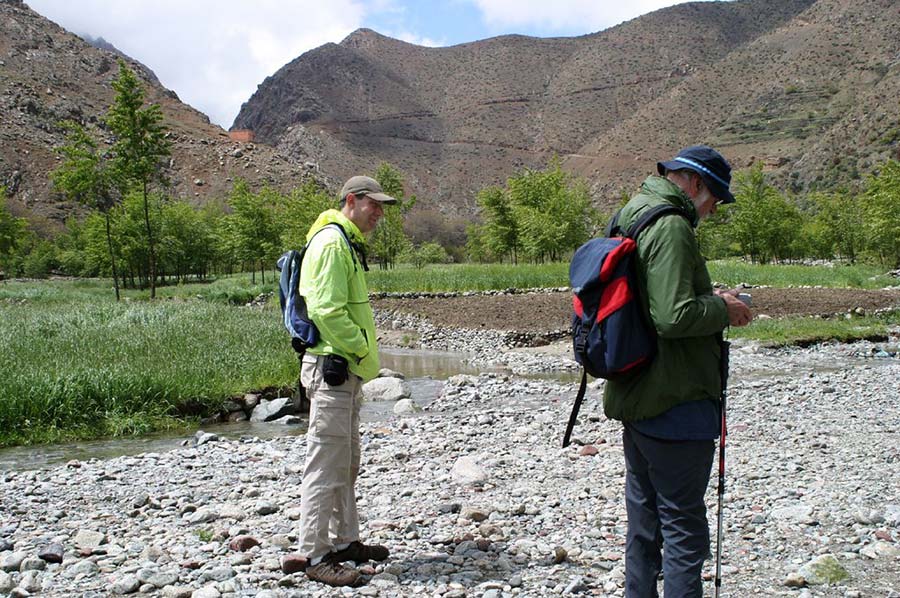
The Setti Fatma waterfalls are the valley’s centrepiece — a series of 7 cascades hidden in a narrow gorge at the head of the valley. The first two waterfalls are reachable in a ~45-minute hike from the village of Setti Fatma. The trail follows the river over rocky terrain — moderate difficulty, but slippery in places. The reward: a dramatic cascade dropping into a natural pool surrounded by cliffs.
The upper five waterfalls require a much harder scramble — steep, exposed, and not suitable for casual hikers. Most visitors turn back after the second cascade, which is the most impressive. A local guide is recommended (~100–200 MAD / €10–20) as the path isn’t always marked. Wear sturdy shoes with grip — flip-flops and sandals are a bad idea on the wet rocks.
Best time: Spring (March–May), when snowmelt feeds the falls and water flow is at its strongest. By late summer, the lower cascades can slow to a trickle. The hike is available year-round but check conditions in winter (Dec–Feb) as rain can make the trail harder.
What to Do
| Activity | Time | Difficulty | Notes |
|---|---|---|---|
| Setti Fatma waterfall hike | ~1.5–2 hrs return | Moderate | First 2 of 7 falls. Guide ~100–200 MAD. Sturdy shoes. |
| Berber village visit | 30–60 min | Easy | Mint tea, home tour, traditional life. Included on MDT trip. |
| Monday Berber souk | 1–2 hrs | Easy | Weekly market at Tnine Ourika. Mondays only. |
| Argan oil cooperative | 20–30 min | Easy | Women’s co-op. Tasting + buying. Free entry. |
| Riverside lunch | 1 hr | Easy | Tagine + fresh trout. Tables over the river. ~60–100 MAD. |
| Photography | All day | Easy | Mountain vistas, waterfalls, Berber architecture, valley light. |
Monday Berber Souk
Every Monday, the village of Tnine Ourika hosts a weekly Berber souk — one of the most authentic traditional market experiences near Marrakech. Locals from surrounding mountain villages descend to trade fresh produce, spices, olives, livestock, pottery, handwoven textiles, and household goods. Unlike the tourist-oriented souks of Marrakech, this is a working market for local people — the colours, sounds, and smells are the real thing. Prices are lower than in the city, but bargaining is still expected. If your day trip falls on a Monday, the souk is an unmissable stop.
Argan Oil Cooperatives
The road to Ourika Valley is lined with women’s argan oil cooperatives — small workshops where local women produce argan oil using traditional hand-cracking and cold-press methods. Argan trees are endemic to southern Morocco (the only place in the world they grow naturally), and the oil is used for cooking, cosmetics, and hair care. At a cooperative, you’ll see the full process: cracking the nuts, grinding, pressing, and bottling. Tasting is free, and you can buy culinary argan oil, cosmetic oil, and argan-based beauty products directly — prices are fair and the money goes to the women’s community. This stop is included on every MDT Ourika day trip.
Berber Village Visit
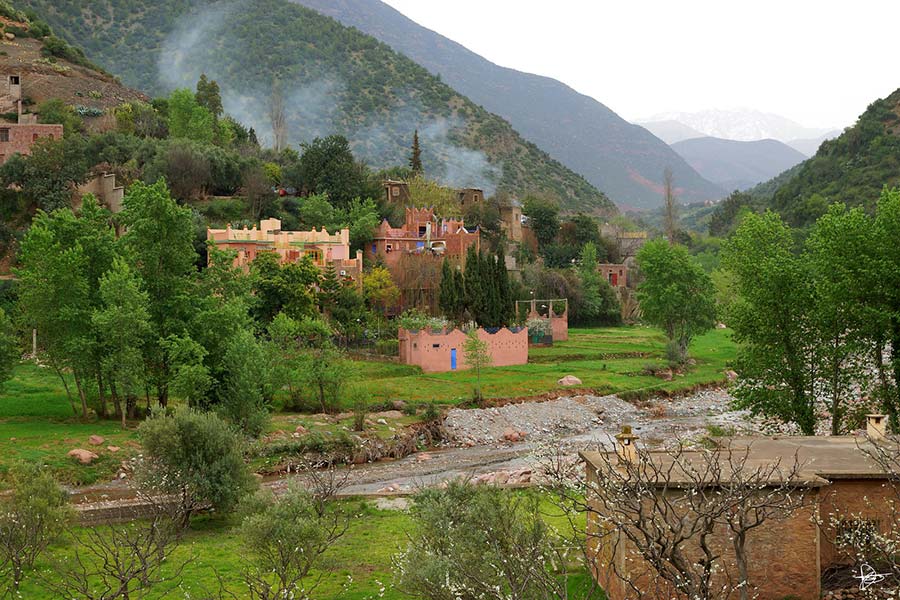
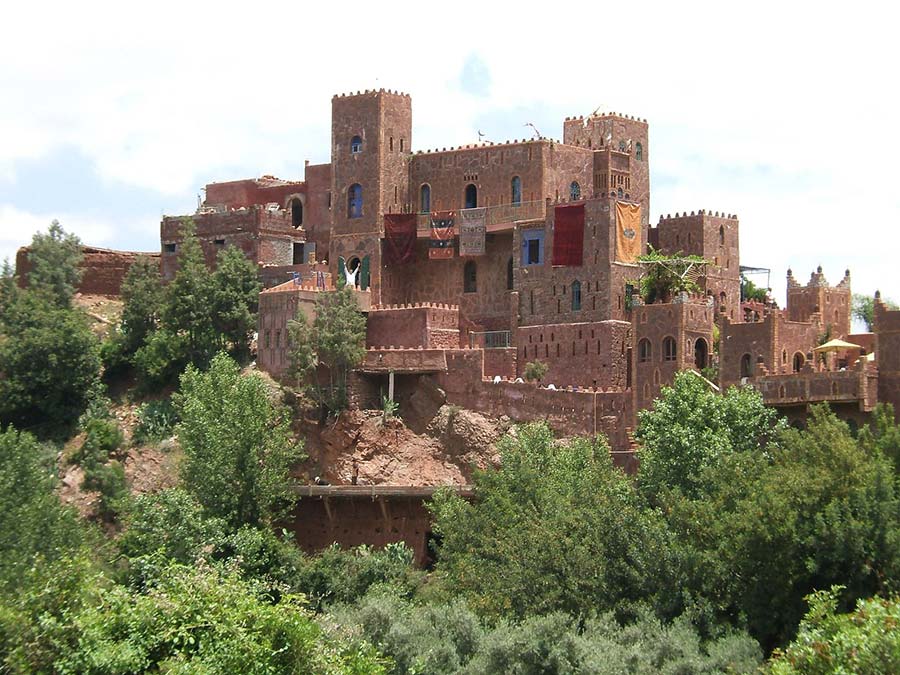
MDT’s Ourika day trip includes a visit to a traditional Berber village — a chance to see how mountain communities live. You’ll be welcomed with mint tea in a family home, see traditional pisé construction (earth and straw walls), and learn about daily life in the Atlas foothills. These are real, lived-in homes — not staged tourist experiences. The hospitality is genuine, and a small tip (~20–50 MAD) to the family is appreciated. For deeper context on Berber culture, see our Berber culture guide.
Best Time to Visit
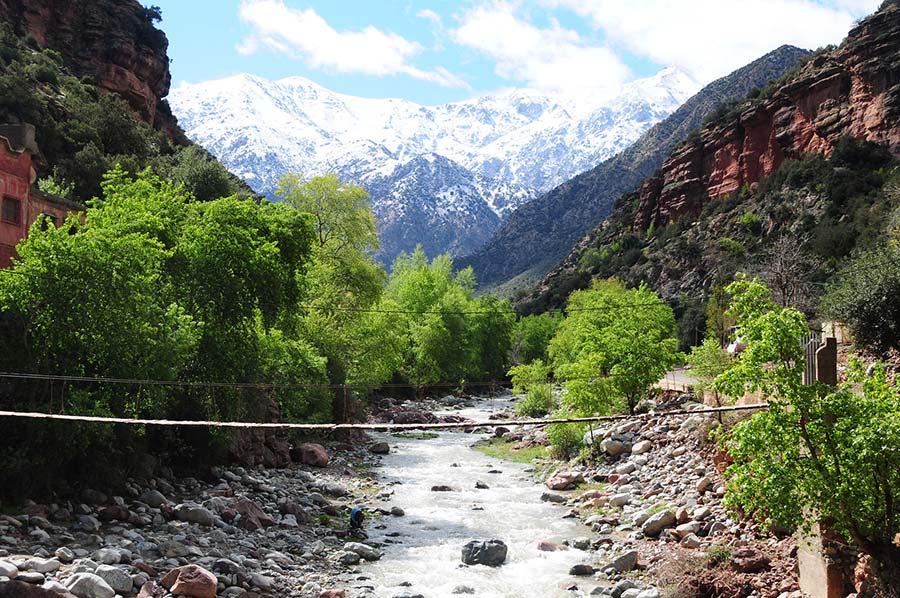
Spring (March–May): The best season. The valley is lush and green, wildflowers bloom (including the rare Atlas tulip), and the waterfalls are at peak flow from snowmelt. Temperatures: 18–28°C. This is when Ourika looks its most spectacular.
Autumn (September–November): Mild weather, golden afternoon light, and fewer crowds than spring. The landscape is drier but still beautiful. Temperatures: 16–26°C.
Summer (June–August): Hot (30–40°C) — but the river and the altitude provide relief from Marrakech’s intense heat. Popular with Moroccan families. Waterfalls slow by August.
Winter (December–February): Cooler (8–18°C), with snow on the peaks visible from the valley. Some trails may be muddy. Quietest season — good for photography and solitude.
MDT Ourika Day Trip
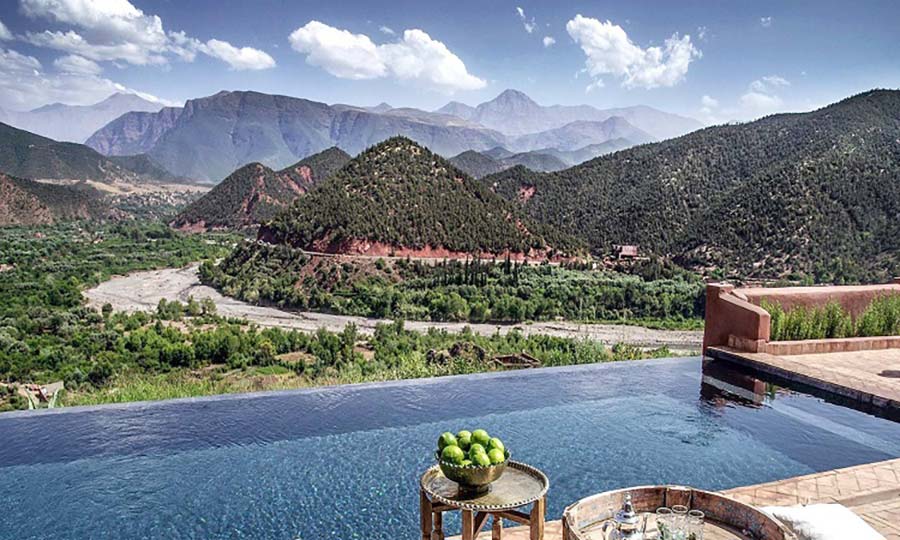
What’s included: Riad pick-up in Marrakech (~9 AM), scenic drive through the Atlas foothills, stop at an argan oil cooperative, Berber village visit with mint tea, free time at Setti Fatma for the waterfall hike, lunch at a riverside restaurant (own expense — tagine ~60–100 MAD), and return to Marrakech (~5 PM). Available daily as a private tour. Duration: ~8 hours.
| Tour | Type | Duration | From |
|---|---|---|---|
| Ourika Valley Day Trip | Private | ~8 hrs | €25 |
| Ourika Valley (Shared) | Group | ~8 hrs | €20 |
| Atlas Mountains Day Trip | Private | ~8 hrs | €25 |
Earthquake Recovery (2023)
The September 2023 earthquake (6.8 magnitude, epicentre near Oukaimeden) caused significant damage in some High Atlas areas, with over 2,600 lives lost. Ourika Valley was less severely affected than other mountain areas and has largely recovered. Roads, restaurants, guesthouses, and the Setti Fatma trail are all operational. Visiting Ourika supports the local economy and the recovery of Berber communities who depend on tourism. MDT tours to the valley run as normal.
Where: 1 hour south of Marrakech, Atlas foothills. 600–1,500 m altitude.
Waterfalls: Setti Fatma — 7 cascades, first 2 in 45-min hike. Guide ~100–200 MAD.
Monday souk: Weekly Berber market at Tnine Ourika — crafts, spices, livestock.
Argan: Women’s cooperatives — traditional production, free tasting, fair-price buying.
Best: Spring (green + peak waterfalls) and autumn (mild + golden light).
MDT: From €25 — riad pick-up, argan coop, village, Setti Fatma, riverside lunch.