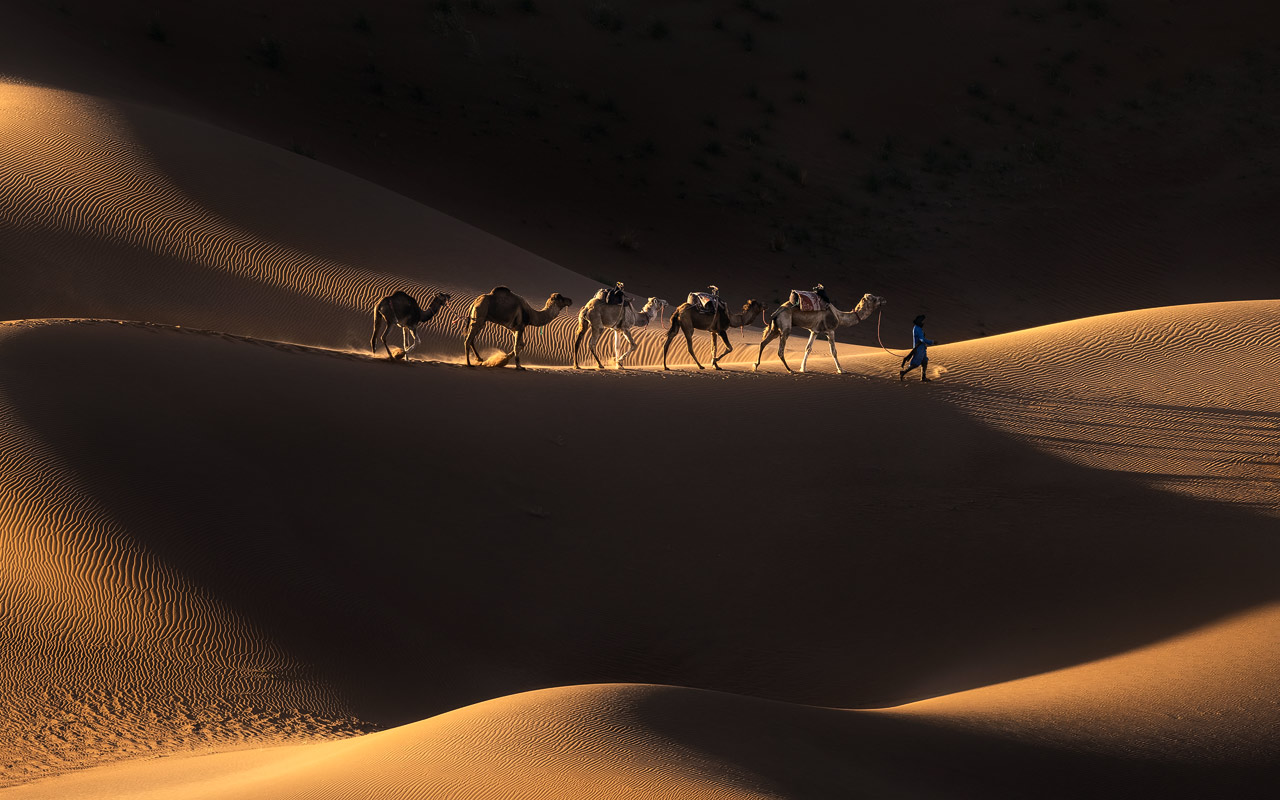
Morocco is an Arab-Berber country with deep hospitality traditions. Key etiquette: greet with "Salam Alaikum", accept mint tea when offered, dress modestly near mosques, ask before photographing people, tip 10–15% at restaurants and 100–200 MAD/day for tour guides. Languages: Darija (Moroccan Arabic) + Amazigh (Berber) + French. Morocco is safe for tourists — petty crime exists in cities but violent crime is very rare. The people are Morocco's greatest asset. Plan your Morocco trip →
Who Are the Moroccan People?
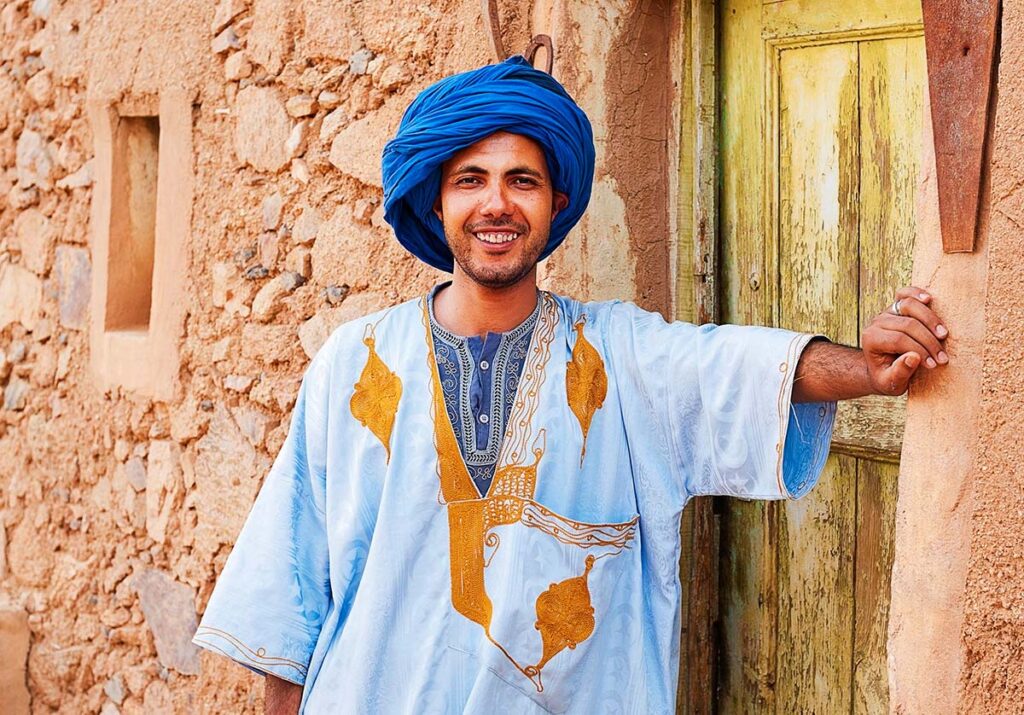
Morocco’s identity is shaped by two foundational cultures: Amazigh (Berber) and Arab. The Amazigh are the indigenous people of North Africa — they’ve inhabited these mountains, deserts, and coastlines for thousands of years. Arab culture arrived with Islam in the 7th century. Today, most Moroccans are Arab-Berber, blending both heritages in language, food, music, and daily life.
In the Atlas Mountains and Sahara, Berber identity is strongest — you’ll hear Tamazight spoken, see traditional architecture, and experience customs unchanged for centuries. On desert tours, your guide is almost always Berber. In Marrakech, Fes, and Casablanca, Arabic and French dominate. Regional identity matters — a Riffian from the north, a Soussi from the south, and a Fassi from Fes all have distinct cultures, cuisines, and dialects.
Moroccan Hospitality — What to Expect
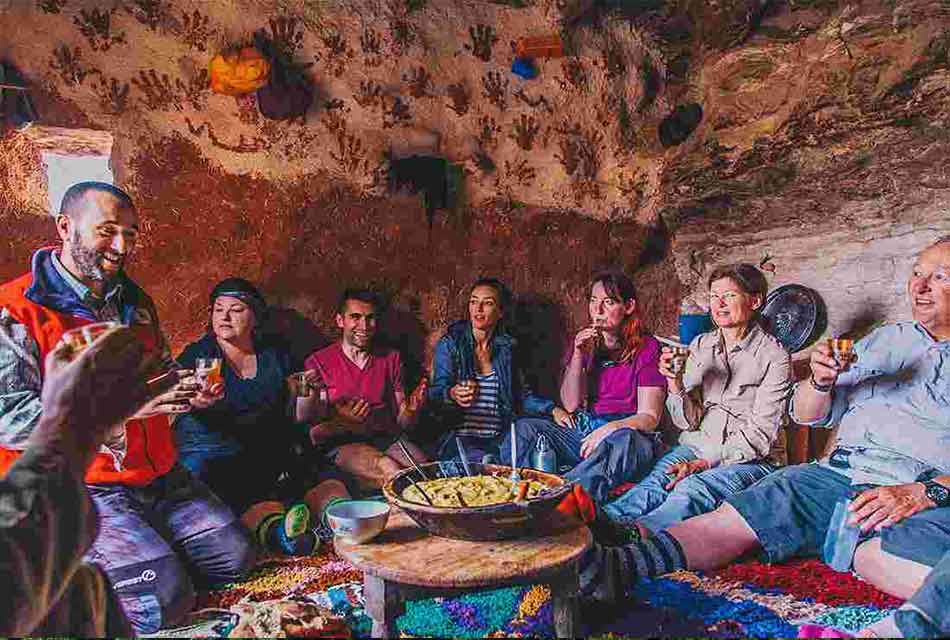
Moroccan hospitality isn’t performative — it’s a deeply ingrained cultural value. You will experience it everywhere, from five-star riads to remote Berber villages. Here’s how it manifests:
The mint tea ritual: Tea isn’t just a drink — it’s a ceremony of welcome. Refusing mint tea is considered impolite. It will be very sweet (Moroccans use generous amounts of sugar). You’ll be served 2–3 glasses minimum. The tea is poured from height to create a froth. Accept with your right hand.
Home invitations: If a Moroccan family invites you into their home, accept. Remove your shoes at the door. Expect more food than you can eat — refusing seconds is difficult and slightly offensive. Friday couscous is the family meal of the week — being invited is a genuine honour.
On tours: Our guides and drivers frequently invite guests to meet their families in Berber villages. This isn’t part of the tour itinerary — it’s personal. These encounters are among the most memorable experiences our guests report. The 5-day Toubkal trek through Berber villages and 3-day Atlas Valleys trek are specifically designed around village stays and family-hosted meals.
Etiquette — Dos & Don’ts
✅ Do
• Greet with “Salam Alaikum” (peace be upon you)
• Accept mint tea when offered
• Remove shoes entering homes
• Eat with your right hand
• Ask before photographing people
• Dress modestly near mosques and in rural areas
• Haggle in souks — it’s expected and fun
• Compliment your host’s food
• Learn a few Darija phrases (see below)
❌ Don’t
• Photograph military/police installations
• Use your left hand for greetings or eating
• Eat or drink publicly during Ramadan daylight hours
• Discuss religion confrontationally
• Enter mosques (non-Muslims can’t, except Hassan II in Casablanca)
• Wear revealing clothing near religious sites
• Take photos of people without asking first
• Assume every friendly local wants money — most are genuinely kind
Essential Arabic & Berber Phrases
You don’t need to speak Arabic. But a few words of Darija (Moroccan Arabic) earn enormous goodwill. Moroccans visibly light up when foreigners try their language.
| English | Darija (Arabic) | Tamazight (Berber) |
|---|---|---|
| Hello / Peace | Salam Alaikum | Azul |
| Thank you | Shukran | Tanemmirt |
| Yes / No | Iyeh / La | Yah / Uhu |
| Please | Afak | — |
| How much? | B’shhal? | Menshk? |
| Beautiful / Good | Zween / Mezian | Ifulki |
| No problem | Mashi mushkil | — |
| God willing | Inshallah | — |
| Goodbye | Bslama | Ar tufat |
Tipping Guide — What to Give & When
Tipping is customary but not mandatory in Morocco. Service workers earn low base wages, so tips are genuinely appreciated. Here’s what’s appropriate in 2026:
| Situation | Suggested Tip | Notes |
|---|---|---|
| Restaurant | 10–15% or round up | Leave on table or hand to waiter |
| Café / tea | 2–5 MAD | Small change is fine |
| Hotel porter | 10–20 MAD | Per bag |
| Tour guide | 100–200 MAD/day | For the group, not per person |
| Driver | 50–100 MAD/day | For the group |
| Desert camp staff | 20–50 MAD | Total for camp visit |
| Riad / hammam | 20–30 MAD | Per service |
| Mosque guardian | 10 MAD | If they open a viewpoint |
Tip in MAD, not euros — it’s easier for locals to use. ATMs dispense MAD throughout Morocco. Carry small denominations (10, 20, 50 MAD notes).
Dress Code — What to Wear
Morocco is moderate by Islamic standards. The dress code depends heavily on where you are:
Cities & Tourist Areas
Marrakech medina, Fes, coastal towns. Casual Western clothing is fine — shorts, t-shirts, sundresses. Swimwear at pools and beaches. You’ll see locals in everything from djellabas to jeans.
Rural & Religious Areas
Berber villages, near mosques, conservative towns. Cover shoulders and knees. Loose-fitting clothing preferred. Headscarves not required for non-Muslim women but appreciated near religious sites.
For women: You do not need to wear a headscarf anywhere in Morocco. Moroccan women themselves range from uncovered to fully veiled — there’s no single expectation. Comfort and respect are the only rules.
For men: Shorts are fine in cities. In rural areas, long trousers are more respectful. Shirtless is only acceptable at the beach or pool.
Is Morocco Safe? Honest Assessment
Yes — Morocco is one of the safest countries in North Africa for tourists. Millions of visitors travel safely every year. Here’s the nuanced picture:
Very safe: Organised tours, riads, tourist areas, rural villages, desert camps. Moroccan families are inherently protective of guests — you’re safer in a Berber village than in many European cities.
Requires awareness: Marrakech and Fes medinas — petty crime (pickpocketing, overcharging, unofficial “guides”). Walk with purpose, keep valuables secure, and agree on prices before services. These are nuisances, not dangers.
Solo female travelers: Morocco welcomes solo women. Verbal attention in medinas is common but rarely threatening. Tips: dress modestly in traditional areas, walk with confidence, use reputable transport, and stay in well-reviewed riads. Our team includes female guides and staff who can advise.
Licensed operators: Always book tours with a licensed company (check for a license number). This ensures insured vehicles, trained guides, and accountability. Our license: N° 16D/19.
Cultural Experiences on Our Tours
Every MDT tour includes cultural encounters — they’re not add-ons, they’re the point. Here are the experiences our guests remember most:
Khamlia Gnawa village — Live Gnawa music performances by descendants of sub-Saharan Africans near Merzouga. UNESCO-recognised intangible heritage. Included in most desert tours.
Berber village homestays — On the Atlas Valleys trek and 5-day Toubkal trek, you sleep in village guesthouses and eat home-cooked meals with local families.
Aït Ben Haddou — The UNESCO ksar on every desert tour route. A living museum of Berber architecture and community life.
Marrakech medina — The souks of Marrakech are a cultural immersion: haggling, mint tea with shopkeepers, artisan workshops, and the sensory overload of Jemaa el-Fna square.
Cooking classes — Learn to make tagine, couscous, and pastries from local families. Available in Marrakech and in some desert camps. See our complete Moroccan cuisine guide for the dishes you need to try.
Visiting During Ramadan
Ramadan is the holy month of fasting (dawn to sunset) — dates shift yearly based on the lunar calendar. Traveling during Ramadan is absolutely fine, but be aware:
What changes: Some restaurants close during daytime. Opening hours may be shorter. The pace of life slows. After sunset (Iftar), cities come alive with energy, food, and celebration.
What doesn’t change: Tourist restaurants, hotels, and riads operate normally. Tours run as scheduled. Alcohol remains available in licensed tourist hotels.
Etiquette: Don’t eat, drink, or smoke in public during daylight hours — it’s disrespectful to those fasting. Eating inside your hotel or riad is completely fine. Many travelers say Ramadan is one of the most culturally rich times to visit — the Iftar evening atmosphere is magical. For the full picture, read our complete guide to visiting Morocco during Ramadan.
Greeting: “Salam Alaikum” — use it everywhere. It changes everything.
Hospitality: Accept mint tea. Accept home invitations. Bring a small gift.
Tipping: 10–15% at restaurants. 100–200 MAD/day for guides. Tip in MAD.
Dress: Casual in cities, cover shoulders/knees in rural and religious areas.
Safety: Very safe with a licensed operator. Standard city awareness in medinas.