Morocco is known for: the Sahara Desert (camel treks, desert camps, Erg Chebbi dunes), ancient medinas and souks (Marrakech, Fes — both UNESCO), tagine and couscous (the national dishes), mint tea (the national drink — refusing is impolite), Marrakech (the Red City), Fes (world's oldest medina + first university), Chefchaouen (the Blue City), riads (courtyard guesthouses), Atlas Mountains (North Africa's highest peak), argan oil (endemic to Morocco — goats climb the trees), Berber culture, kasbahs (Ait Ben Haddou — UNESCO), leather tanneries, Gnawa music, hammams, legendary hospitality, and Hollywood filming locations. MDT: desert tours from €69 · day trips from €19.
20 Things Morocco Is Famous For
Each of the 20 items below defines Morocco’s identity in the world. For deeper detail, follow the guide links.
| # | Famous For | Why | Guide |
|---|---|---|---|
| 1 | Sahara Desert | Camel treks, desert camps, Erg Chebbi dunes, stargazing | Sahara guide → |
| 2 | Marrakech — the Red City | Jemaa el-Fna, souks, palaces, Koutoubia Mosque | Marrakech guide → |
| 3 | Tagine & couscous | National dishes — slow-cooked stew + Friday couscous | Food guide → |
| 4 | Mint tea | National drink — green tea, spearmint, sugar. Refusing is impolite. | Food guide → |
| 5 | Medinas & souks | UNESCO walled old towns — labyrinthine markets, crafts, spices | Souks guide → |
| 6 | Chefchaouen — the Blue City | Blue-washed Rif Mountain town — Instagram icon | Chefchaouen → |
| 7 | Atlas Mountains | Jebel Toubkal (4,167 m) — North Africa’s highest. Trekking + Berber villages. | Atlas guide → |
| 8 | Argan oil | Endemic to Morocco — cosmetics + cooking. Goats climb the trees. | — |
| 9 | Berber (Amazigh) culture | Indigenous people — hospitality, music, carpets, tattoos, language | Berber guide → |
| 10 | Riads | Courtyard guesthouses — traditional architecture, rooftop terraces | Riad guide → |
| 11 | Kasbahs & Ait Ben Haddou | Earthen fortresses — UNESCO ksar, Game of Thrones filming | ABH guide → |
| 12 | Fes — world’s oldest medina | 9,000+ alleys, leather tanneries, Al-Qarawiyyin university | Fes guide → |
| 13 | Hospitality | Legendary Moroccan welcome — mint tea, “ahlan wa sahlan,” open doors | Culture guide → |
| 14 | Hammams | Traditional steam baths — black soap, scrub-down, ritual cleansing | Marrakech guide → |
| 15 | Gnawa music | Spiritual Afro-Moroccan tradition — Essaouira Gnawa Festival (June) | Essaouira guide → |
| 16 | Hollywood filming | Gladiator, Game of Thrones, Lawrence of Arabia — Ouarzazate studios | ABH guide → |
| 17 | Ras el Hanout spices | Blend of up to 40 spices — “head of the shop,” every vendor different | Food guide → |
| 18 | Al-Qarawiyyin — world’s first university | Founded 859 AD by Fatima Al-Fihri in Fes. Still operating. | Fes guide → |
| 19 | Essaouira — Wind City | Atlantic coast, kitesurfing, UNESCO medina, fish market | Essaouira guide → |
| 20 | Skiing in Africa | Oukaïmeden (Atlas Mountains) — Africa’s highest ski resort | — |
Iconic Landscapes
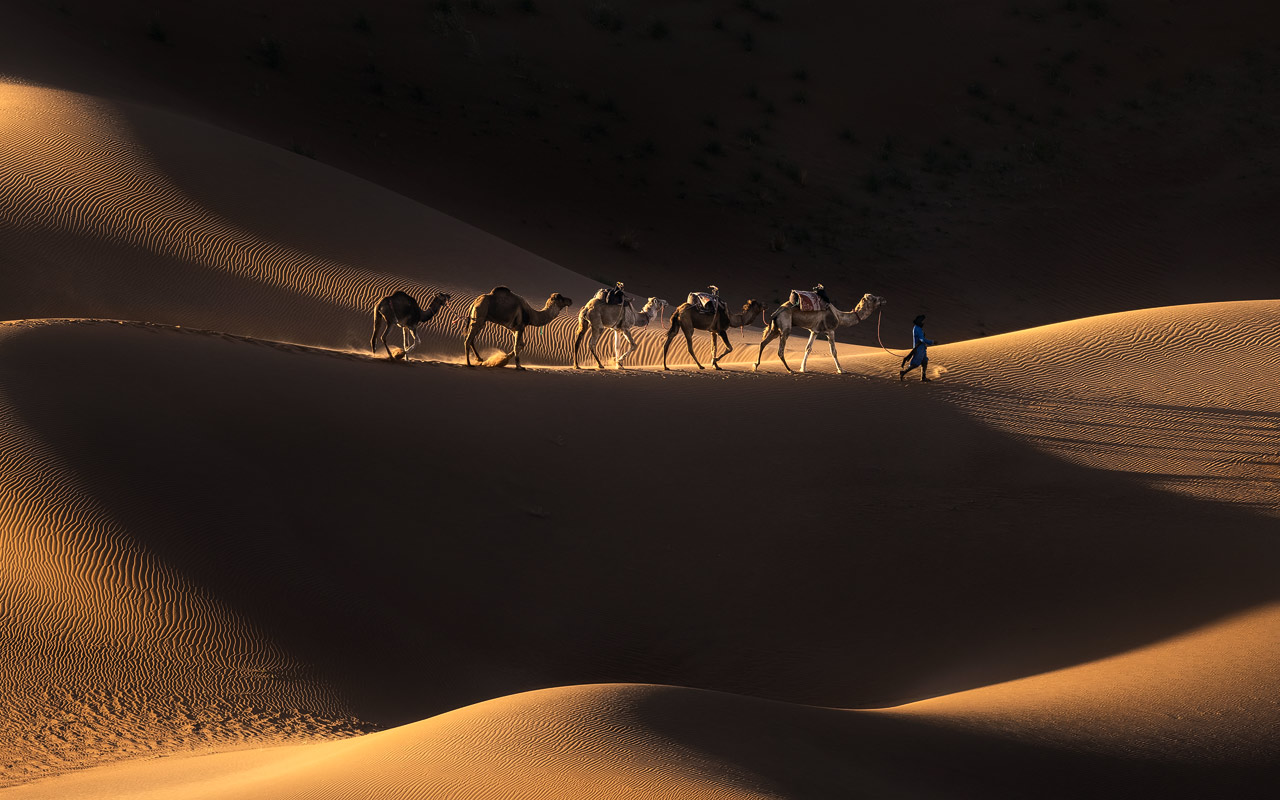
The Sahara Desert is Morocco’s most iconic image — golden dunes stretching to the horizon, camel caravans at sunset, and star-filled skies above desert camps. The two great dune fields are Erg Chebbi (near Merzouga) and Erg Chigaga (near M’Hamid). MDT runs 2–4 day tours from Marrakech (from €69). Full Sahara planning guide →
The Atlas Mountains divide Morocco’s fertile coast from the desert interior. Jebel Toubkal (4,167 m) is North Africa’s highest peak. Berber villages, terraced valleys, and snow-capped passes make this one of the continent’s best trekking destinations. Atlas guide →
The Atlantic coast stretches over 3,000 km — from the surf town of Taghazout to the Wind City of Essaouira to the wide beaches of Agadir. Morocco is a growing kitesurfing and surfing destination.
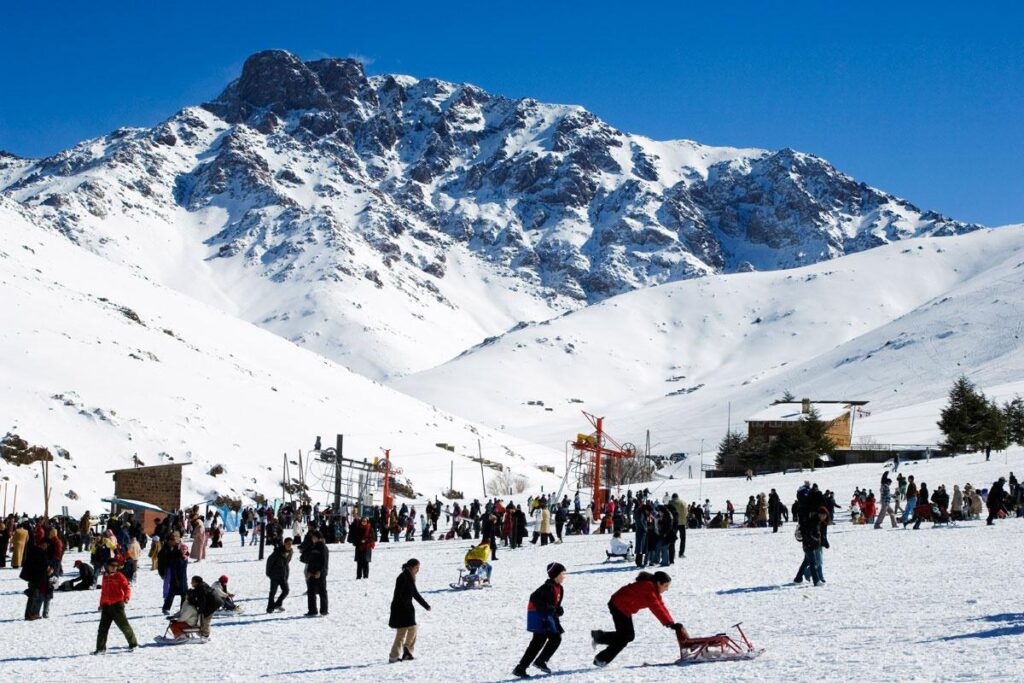
Skiing in Africa: Few people know Morocco has ski resorts. Oukaïmeden (3,200 m) in the Atlas Mountains south of Marrakech is Africa’s highest ski resort — open roughly December to March. Ifrane (nicknamed “the Switzerland of Morocco” for its red-roofed chalets) and Michliffen are also notable. You can ski in the morning and dine in Marrakech by evening.
Famous Cities
Marrakech (the Red City) — Morocco’s tourism capital, named for its ochre walls. Famous for Jemaa el-Fna (UNESCO square), the labyrinthine souks, Bahia Palace, Majorelle Garden, the Koutoubia Mosque minaret, and traditional riads. The starting point for every MDT tour. Things to do in Marrakech →
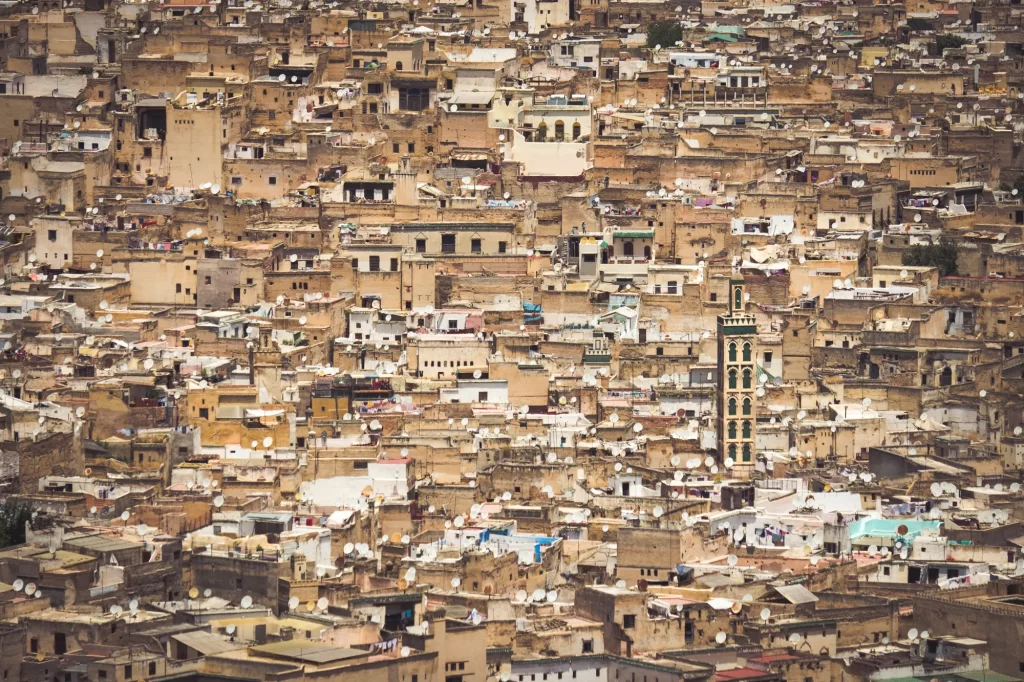
Fes (the Spiritual Capital) — home to the world’s oldest continuously operating medina (over 9,000 alleys, no cars), the famous leather tanneries (Chouara — the iconic honeycomb of coloured vats), and Al-Qarawiyyin University, founded in 859 AD by Fatima Al-Fihri — recognised by UNESCO and Guinness as the world’s oldest existing, continually operating educational institution. Things to do in Fes →

Chefchaouen (the Blue City) — a mountain town in the Rif where every wall, step, and doorway is painted in shades of blue. One of the most photographed towns in Africa. Chefchaouen guide →
Essaouira (the Wind City) — Atlantic coast, UNESCO medina, kitesurfing, fish market, Gnawa Music Festival (June). Essaouira guide →
Casablanca — home to the Hassan II Mosque, one of the world’s largest, with the tallest minaret (210 m). Morocco’s economic engine and the only mosque in Morocco that non-Muslims can visit. Casablanca guide →
Culture & Traditions
Berber (Amazigh) culture: Morocco’s indigenous people — roughly half the population has Berber heritage. Famous for their hospitality, distinctive music and dance, hand-woven carpets, geometric tattoos, and the Amazigh language (Tamazight, official since 2011). Berber culture guide →
Moroccan hospitality is legendary — a visitor is a gift from God (“ahlan wa sahlan”). Expect to be invited for mint tea, offered food, and treated with genuine warmth. This isn’t performative — it’s deeply embedded in Moroccan culture, especially in rural areas and Berber villages. Culture & etiquette guide →
Kasbahs and ksour: Morocco’s earthen fortresses dot the desert landscape — the most famous is Ait Ben Haddou, a UNESCO World Heritage ksar that has appeared in Gladiator, Game of Thrones, and Lawrence of Arabia. Ait Ben Haddou guide →. To understand the architecture: What is a kasbah? →
Gnawa music: A spiritual tradition blending sub-Saharan African, Berber, and Arabic elements, featuring the guembri (bass lute) and rhythmic chanting. The Essaouira Gnawa Festival (June) is one of Morocco’s biggest cultural events. Essaouira + Gnawa →
Hammams: Traditional steam baths found in every Moroccan town — a ritual of black soap, exfoliation, and deep cleansing. From basic public hammams (~30 MAD) to luxury spa hammams (~400 MAD). A quintessential Morocco experience.
Surprising & Unique
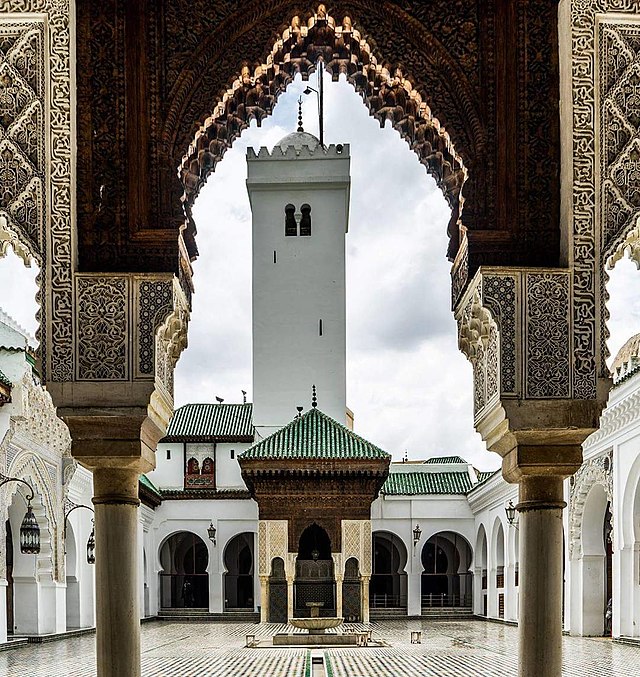
World’s oldest university: Al-Qarawiyyin in Fes was founded in 859 AD by Fatima Al-Fihri, a woman. UNESCO and Guinness World Records recognise it as the world’s oldest existing, continually operating educational institution. It predates the University of Bologna (1088) and Oxford (1096) by over two centuries. Still a working mosque and university today.
Goats in argan trees: One of Morocco’s most iconic (and surreal) images — goats perched in the branches of argan trees, eating the fruit. Common on the road between Marrakech and Essaouira. Argan oil — pressed from the tree’s nuts — is endemic to Morocco (found nowhere else). Used in cooking and cosmetics, it’s known as “liquid gold.” The argan forests are a UNESCO Biosphere Reserve.
Hollywood of Africa: Morocco has been a major filming location for decades. Ouarzazate — nicknamed the “Hollywood of Africa” — is home to the Atlas Film Studios. Ait Ben Haddou alone has appeared in Gladiator (2000), Game of Thrones (Yunkai, 2012–2014), The Mummy (1999), Kingdom of Heaven (2005), and Lawrence of Arabia (1962). Full filming history →
Skiing in Africa: Oukaïmeden at 3,200 m is Africa’s highest ski resort — roughly 75 km south of Marrakech. Season: December–March. Ifrane (“the Switzerland of Morocco”) in the Middle Atlas has red-roofed chalets, cedar forests, and Barbary macaques. You can genuinely ski in the morning and have dinner in sun-drenched Marrakech by evening.
Hassan II Mosque, Casablanca: One of the world’s largest mosques, with the tallest minaret on earth (210 m). Built partly over the Atlantic Ocean. It’s the only mosque in Morocco open to non-Muslim visitors — guided tours available.
Experience Morocco with MDT
| Tour | Experience | From |
|---|---|---|
| 3-Day Sahara Desert | Ait Ben Haddou + Erg Chebbi + camel + camp | €95 |
| 2-Day Zagora Desert | Draa Valley + Sahara camp | €69 |
| Essaouira Day Trip | Wind City + fish market + medina | €19 |
| Marrakech Walking Tour | Medina + souks + palaces + guide | €20 |
| Atlas Mountains Day Trip | Berber villages + valleys + trekking | €25 |
Landscapes: Sahara Desert, Atlas Mountains (4,167 m), 3,000 km Atlantic coast, skiing at Oukaïmeden.
Cities: Marrakech (Red), Fes (oldest medina), Chefchaouen (Blue), Essaouira (Wind), Casablanca (Hassan II Mosque).
Food: Tagine, couscous, mint tea, Ras el Hanout, argan oil.
Culture: Berbers, kasbahs, medinas, hammams, Gnawa music, legendary hospitality.
Unique: World’s oldest university (Al-Qarawiyyin, 859 AD), goats in argan trees, Hollywood filming, skiing in Africa.
MDT: Desert tours from €69 · Day trips from €19 · Walking tour €20.